Why Every Eichler Sale Starts Off-Market
Walking through Upper Lucas Valley in Marin County, you immediately feel the impact of late-period Joseph Eichler design. Framed by rolling hills and mature landscaping, the neighborhood showcases iconic post-and-beam construction — and explains why buying and selling mid-century modern architecture deserves a more thoughtful approach.
 Eichler VaultKevin Limprecht··4 min read
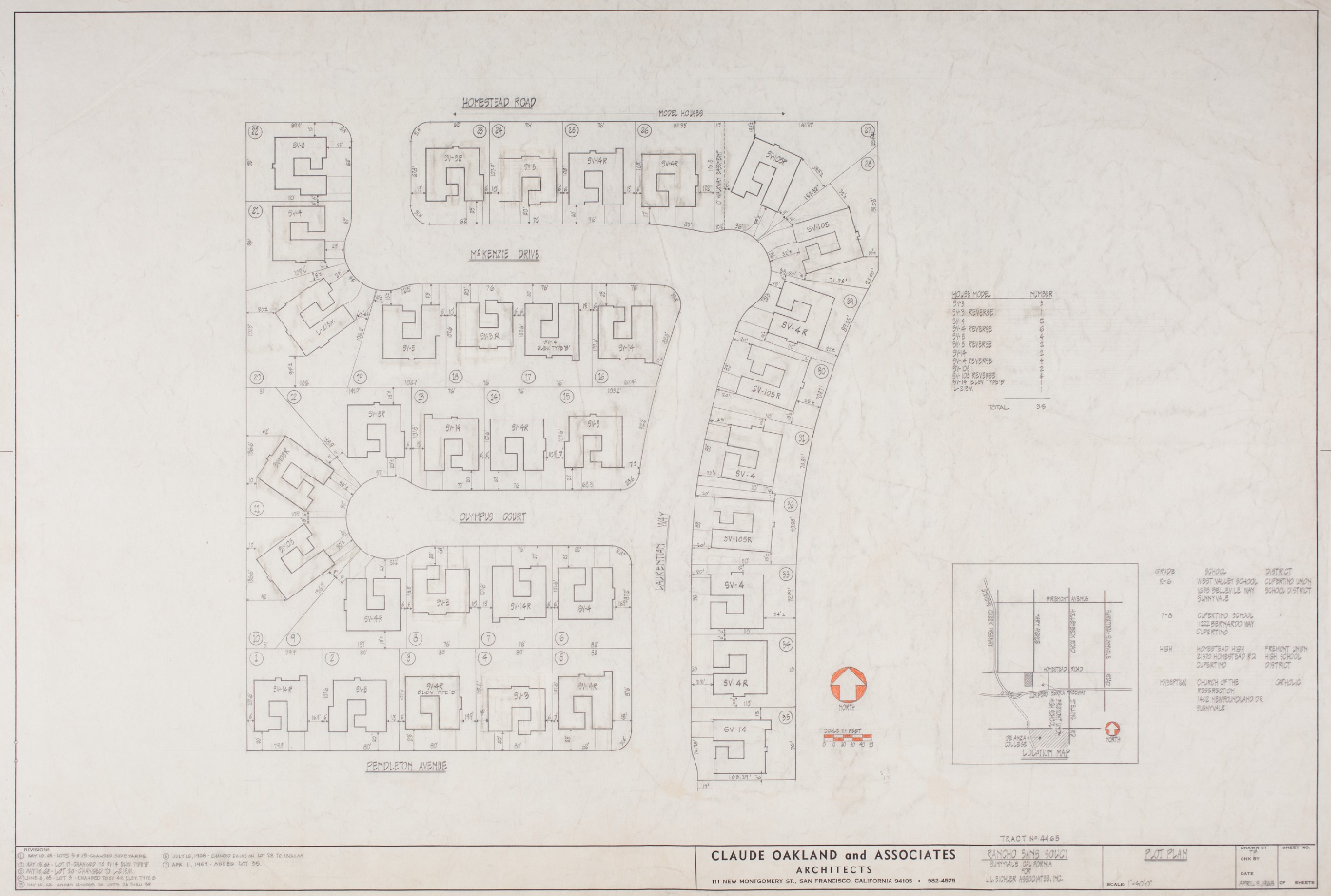
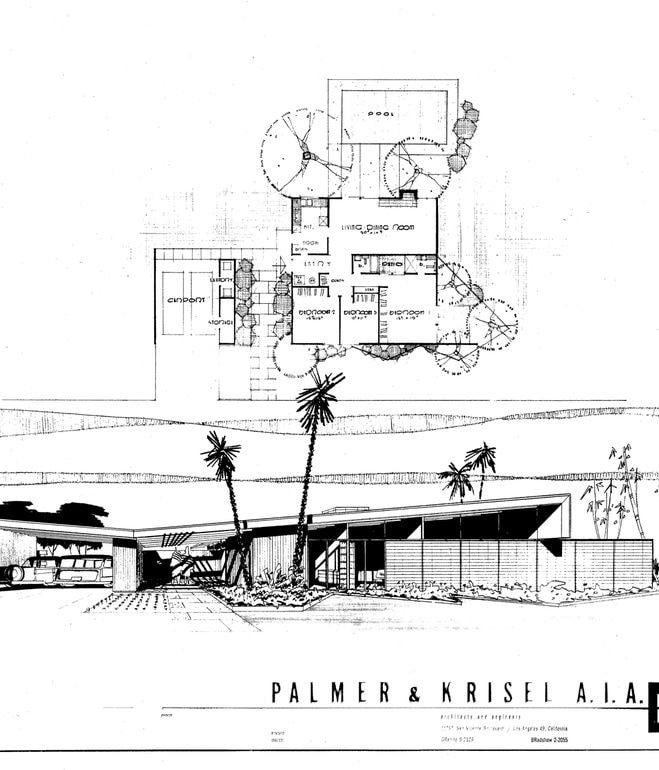
Walking through Upper Lucas Valley in Marin County, you immediately feel the impact of late-period Joseph Eichler design. Framed by rolling hills and mature landscaping, the neighborhood showcases iconic post-and-beam construction, expansive glass walls, seamless indoor-outdoor flows, and dramatic gabled or double A-frame rooflines crafted by visionary architects like Claude Oakland and Jones & Emmons.
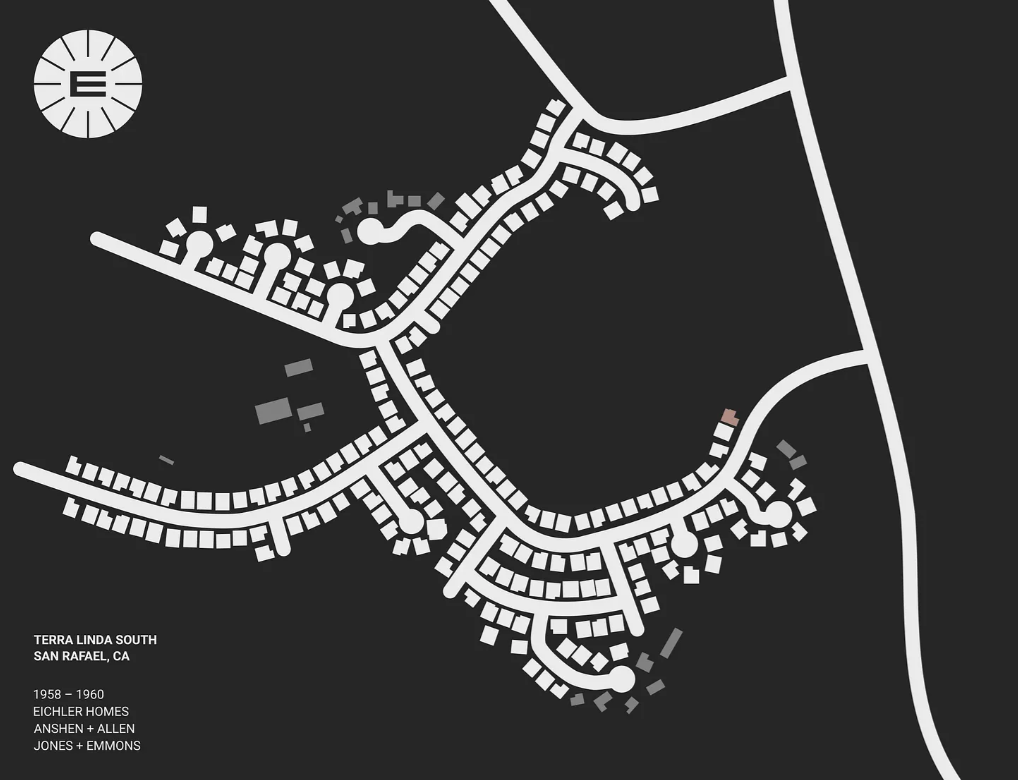
Yet evaluating an Eichler requires looking beyond surface aesthetics. It demands analyzing the broader architectural record: the specific tract, the model lineage, the original floor plan, and how the structure harmonizes with its surrounding landscape. Viewing these homes through a historical lens reveals why buying and selling mid-century modern architecture deserves a more thoughtful approach. Simply put, every real estate sale starts off-market.
The Pre-Market Window and Architectural Specificity
Before a yard sign is installed, professional photography is shot, or an open house is hosted, every property passes through a pre-market window where it is known only to a selective group. For specialized architectural properties like Eichlers, this window is crucial. Marketing these homes is not about reaching the broadest possible audience; it is about connecting with the right buyer.
Open houses certainly hold value. They generate local energy, provide valuable foot traffic feedback, and allow prospective buyers to experience the light, space, and proportions in person. However, an open house rarely creates a buyer out of nowhere. More often, it simply provides an opportunity for an existing, active buyer to experience a property they were already tracking.
When a prime Eichler hits the market, dozens of visitors may tour the home, but serious offers typically come from a small pool of dedicated buyers. These individuals rarely conduct a generic real estate search. Rather than searching broadly for a home in Marin, they look specifically for a double A-frame in Upper Lucas Valley, an unspotted atrium, original Lauan mahogany paneling, or a well-preserved post-and-beam frame ready for a restoration. They are often already working with specialized agents, following specific tract inventories, or participating in private buying networks.
Provenance, Research, and Buyer Alignment
Unlisted Eichler Alerts & Early Intent Intelligence
Off-Market Seller Signals. Quiet Listings. Unlisted Archive Records.
A significant portion of pristine Eichler properties trade through private transfers or whisper networks before reaching the public MLS. Secure early access to off-market seller signals, quiet listing updates, and unlisted archive records across California's premier Eichler tracts before they go public.
Understanding an Eichler requires understanding its provenance — the architect, the construction year, the tract development, and how the individual floor plan has evolved over time. Mid-century modern developments were comprehensive experiments in architectural design, spatial organization, and community planning.
Accurately evaluating this heritage requires going beyond secondary internet sources. It calls for rigorous archival research, such as examining primary-source drawings, specifications, and project records held in archives like the Environmental Design Archives at UC Berkeley. When you understand this historical context, a house ceases to be just a transaction of square footage and bedrooms; it becomes a preserved piece of California modernism.
Buyers who spend years studying floor plans and model lineages do not need to be persuaded on the value of Eichler design — they are simply waiting for the right property to become available. This reality makes private buyer networks like the Eichler Buyers Collective and the Eichler Vault so effective. Instead of launching a broad public campaign and hoping the ideal buyer notices, a targeted strategy asks who has already registered a specific demand for that exact architectural model and location.
Strategic Optionality and Seller Control
Leveraging the pre-market window offers distinct advantages for sellers, starting with privacy. Many homeowners prefer to avoid public open houses, neighbor walkthroughs, and extensive online exposure of their private residence.
Furthermore, exploring off-market channels does not mean a home can never enter the public marketplace. Rather, it offers smart market sequencing. Testing a private registry allows sellers to gauge existing demand from serious, qualified buyers first. If a match occurs, the transaction moves forward quietly and efficiently. If not, the seller retains total flexibility to transition to public MLS listings and open houses with refined pricing and market insight.
Ultimately, specialized properties thrive on targeted alignment. By grounding every transaction in documented architectural record and direct buyer networking, sellers preserve privacy, maintain control, and ensure these iconic mid-century homes transition seamlessly to the next generation of preservation-minded owners.
Kevin Limprecht · [email protected] · California DRE 02233783 · Real Broker, LLC
Written by
Kevin Limprecht
Founder, Eichler Vault
[email protected] · California DRE 02233783 · Real Broker, LLC