Why a Living Eichler Home Maintenance Directory Matters
The Eichler Vault vendor directory is built as a living resource — not a static page — because the ecosystem of specialists helping these houses survive has to evolve with the homes themselves.
 Eichler VaultKevin Limprecht··13 min read
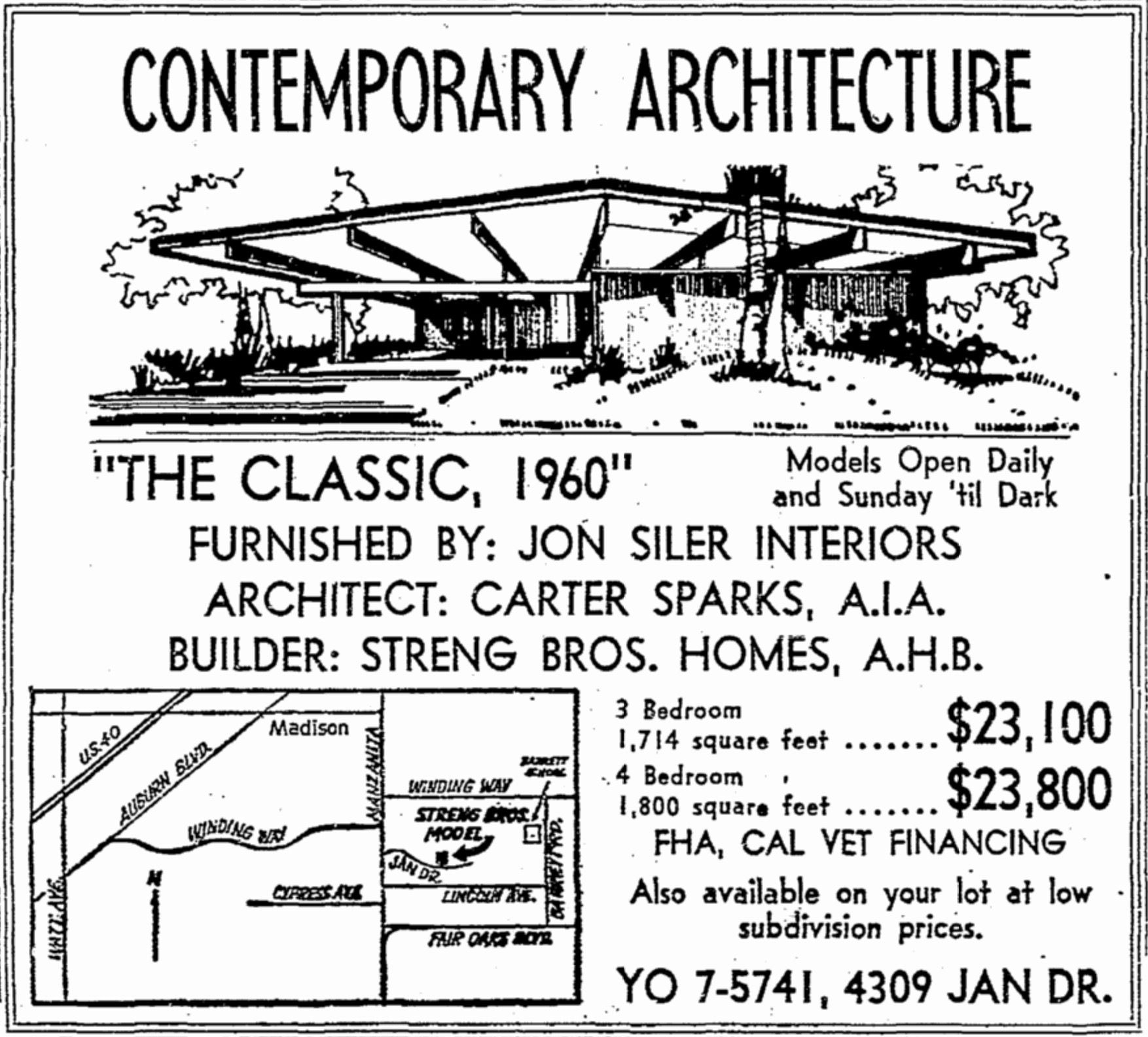
An Eichler home is not a conventional house with a mid-century aesthetic applied to it. The architecture, construction methods, mechanical systems, materials, glazing, roof forms, radiant heating, siding, atriums, and indoor-outdoor relationships were developed as part of a very particular postwar California building program. After more than sixty years, maintaining these houses requires an understanding of those original systems as well as the ways owners have modified them over subsequent decades. That is why the Eichler Vault Home Vendors & Services Directory is being built as a living resource rather than a static page of contractor names.
I consider that distinction important because an Eichler home maintenance directory only has value if the information remains useful. Contractors retire, companies change, service areas move, specialties evolve, licenses change, and new professionals develop substantial experience working on Eichler and post-and-beam homes. A directory published once and never revisited eventually becomes a historical artifact instead of a practical resource for homeowners. The Eichler Vault is intended to do something different: maintain a current, curated record of the specialists whose work intersects with the surviving Eichler inventory and make that information easier for owners, buyers, architects, preservationists, and future stewards to find.
The current directory includes specialists across the major areas of Eichler home maintenance, restoration, remodeling, and design. In the South Bay, Cali Rollin Electric provides electrical service for Eichler owners from Morgan Hill, while MDR Electric provides electrical service and upgrades for Eichler homeowners. These companies represent an important category because electrical work in an older post-and-beam house can involve original configurations, subsequent additions, lighting systems, exposed-beam conditions, and renovations accumulated over decades. An owner looking for an Eichler electrician should have a way to distinguish general residential electrical service from professionals who specifically understand the type of housing they are entering.
The same principle applies to plumbing. Gladiator Repipe is included in the directory as a residential repiping specialist serving Eichler homeowners and Bay Area homes. For an older Eichler, plumbing is not simply a matter of replacing a fixture when it fails. Owners may eventually confront aging supply lines, repiping decisions, slab-related considerations, previous remodels, and the interaction between plumbing and other original systems. Having a current Eichler home experts directory gives homeowners a starting point for identifying professionals who have experience with these conditions rather than forcing every owner to begin the search from scratch.
Radiant heating is another area where Eichler expertise matters considerably. Lehmann Radiant Heating is included as a specialist in radiant heating and hydronic plumbing for Bay Area Eichler homes. The radiant system is one of the defining technical characteristics of many Eichler houses, and its maintenance can require knowledge that is different from the approach used for a conventional forced-air heating system. When an owner understands that the heating system is part of the original architectural and mechanical history of the house, the decision about repair, replacement, or modernization becomes a much more informed one.
The same specialized approach extends to general contracting and remodeling. GMJ Construction is included for general contracting and remodeling work on Eichler and post-and-beam homes across the South Bay, while Keycon Construction and Design provides construction and design services for Eichler and mid-century modern homes in the South Bay. That distinction is significant because remodeling an Eichler can involve much more than changing finishes. Moving a wall, replacing glazing, opening a kitchen, altering an atrium, changing a roofline, replacing siding, or introducing contemporary mechanical systems can affect the proportions and relationships that make the original architecture recognizable. The value of an experienced Eichler remodeling contractor is therefore not simply construction capacity; it is familiarity with the architectural context in which the work is taking place.
Roofing deserves its own category because the roof is one of the most consequential systems on an Eichler. Dura-Foam Roofing & Solar Center is included in the directory for foam roofing, solar, insulation, and related work, with its listed CSLB solar and roofing licenses documented in the directory. Abril Roofing is included for Eichler foam roofing and restoration and has been working in this area since 1994. For owners, the practical reason for having these specialists identified in one place is straightforward: when a flat-roof Eichler develops a problem, the homeowner should be able to investigate companies with relevant experience rather than assuming that any residential roofer will approach the structure in the same way.
The relationship between roofing and solar is also increasingly important. Many Eichler owners are now balancing preservation considerations with energy upgrades, solar installation, insulation, and battery storage. Dura-Foam Roofing & Solar Center occupies that intersection in the directory because these projects can involve multiple systems on a house where roof construction and architectural character are already unusually important. A current directory makes it possible to document those overlapping specialties rather than treating every contractor as belonging to only one narrow category.
Siding presents another example of why specialized knowledge matters. Eichler Siding is included for vertical-groove siding, T1-11 plywood profiles, and dry-rot repair, with the company describing itself as having worked in the field since 1987. Vintage Plywood Millwork is included for specialty plywood millwork and siding for mid-century modern and Eichler homes. Those materials are part of the visual identity of many Eichler neighborhoods, but they are also exposed to decades of weather, repairs, painting, moisture, and replacement. An owner dealing with deteriorated siding needs to understand not only how to repair a wall but also what material profile and installation approach are appropriate to the house. That is precisely the type of information a specialized Eichler maintenance directory should make easier to research.
Glass and windows are equally important because Eichler architecture depends so heavily on transparency and the movement between interior and exterior space. Palo Alto Glass is included in the directory for residential and commercial glass services involving Eichler homes, including floor-to-ceiling glazing, clerestory windows, and slider restoration. Those are not incidental architectural details. Large areas of glass, clerestories, atriums, and sliding doors are central to the way many Eichler homes were conceived. When those components deteriorate, owners need to consider performance and safety while also understanding how replacement decisions can affect the architectural character of the house.
The directory also recognizes that Eichler maintenance is not limited to the building envelope and mechanical systems. Marshall Interiors, with studios in San Francisco and Los Angeles, is included for interior design work involving mid-century modern and Eichler homes, while Destination Eichler is included for Eichler-focused interior design and styling, including period-authentic sourcing, color, and spatial planning. These specialists operate in a part of the Eichler ecosystem where preservation and contemporary living often meet. An owner may want a house to function for a twenty-first-century family while retaining the proportions, materials, colors, cabinetry, and spatial relationships that make the architecture legible.
Painting and staining can have a similar impact. Palladino Painting is included for painting and staining services for Eichler and mid-century modern homes on the Peninsula. Exterior and interior finishes are often among the first things homeowners change, yet color, stain, wood treatment, and surface preparation can significantly affect the appearance of a post-and-beam house. Having a specialist identified alongside the other Eichler home experts provides another piece of the larger maintenance picture.
Landscape work is also inseparable from the architecture. Water & Earth Landscape Design, based in San Jose, is included for landscape design and hardscapes involving Eichler and mid-century modern homes, with particular attention to atriums, outdoor living, and indoor-outdoor flow. This is an important category because an Eichler was designed around its relationship to the landscape. The atrium, courtyard, garden, rear glazing, roof overhangs, and circulation through the house were not conceived independently. Landscaping can either reinforce that relationship or obscure it, which is why landscape expertise belongs in a comprehensive Eichler home maintenance directory.
Why a Curated Eichler Home Experts Directory Has to Change Over Time
The larger point of documenting all of these companies is not simply to create a convenient contractor page. It is to recognize that the ecosystem surrounding Eichler homes is itself part of the preservation story. The remaining houses will continue to age, and every generation of owners will face different maintenance decisions. Some will need roofing and siding work. Others will replace radiant systems, upgrade electrical infrastructure, restore glazing, remodel kitchens, redesign landscapes, or address decades-old repairs that were never properly documented.
The professionals capable of that work will change as well. That makes a current directory materially different from a static list. The information needs to be reviewed and updated as companies change, new specialists become established, and older listings become outdated. A useful resource should also preserve the distinction between documented experience and marketing language. Calling a company an "Eichler specialist" should mean something more than using the word Eichler on a website. The directory exists to make the relevant experience easier to investigate.
Unlisted Eichler Alerts & Early Intent Intelligence
Off-Market Seller Signals. Quiet Listings. Unlisted Archive Records.
A significant portion of pristine Eichler properties trade through private transfers or whisper networks before reaching the public MLS. Secure early access to off-market seller signals, quiet listing updates, and unlisted archive records across California's premier Eichler tracts before they go public.
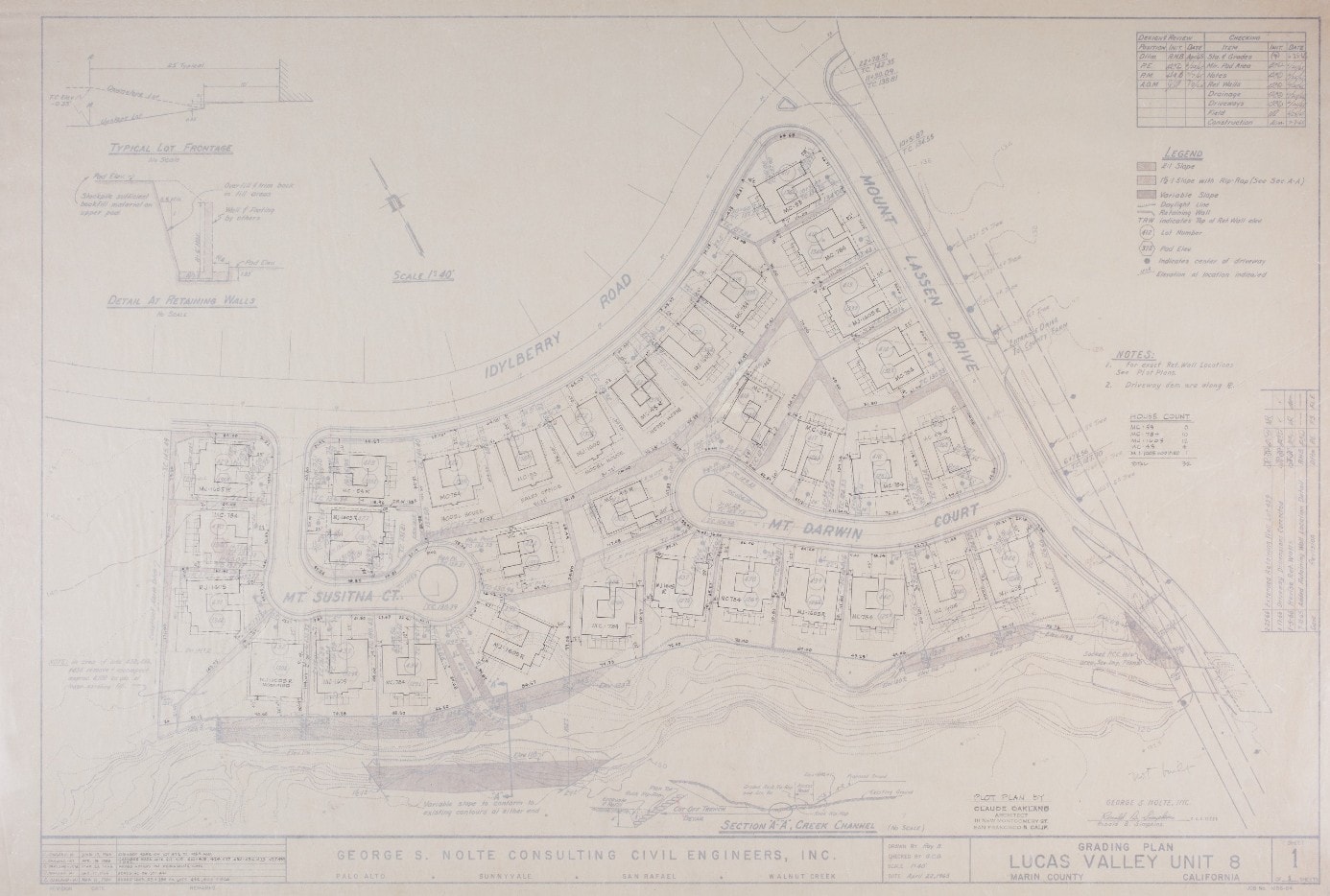
That is consistent with the broader philosophy behind the Eichler Vault. The Vault was created to document, research, verify, and preserve the deeper record behind these homes, including original construction documents, floor plans, tract history, preservation information, radiant heating, glazing, original materials, atrium doors, and neighborhood context. The site's stated methodology combines public records, municipal and zoning information, community intelligence, technology-assisted research, and human review.
The vendor directory extends that philosophy into the practical life of the house. Architectural research tells us what a property was designed to be. Maintenance expertise helps an owner understand how that property can be cared for today.
The Connection Between Maintaining an Eichler and Buying One
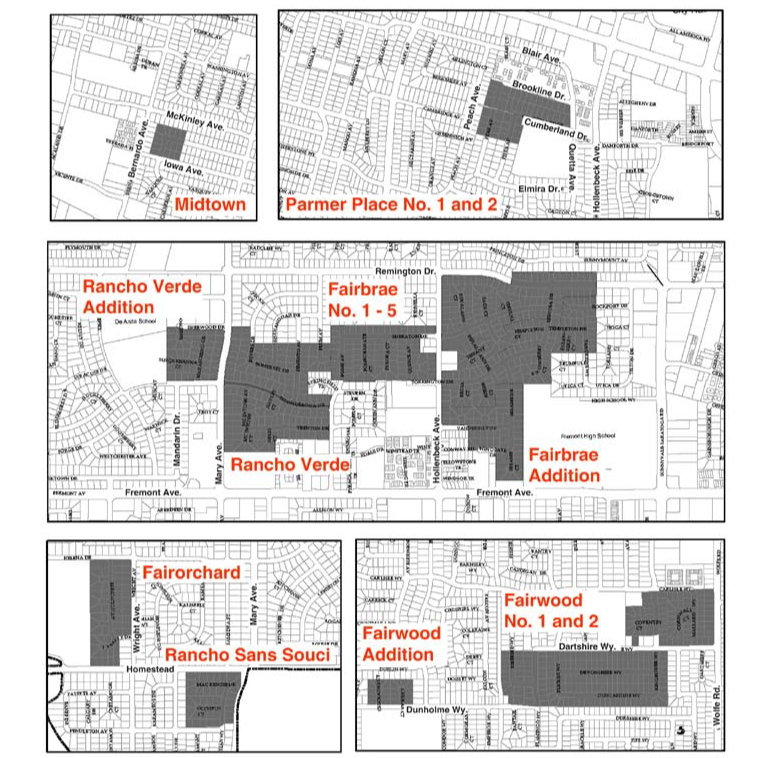
This becomes particularly important when looking at the Eichler market from the perspective of acquisition. The process of finding an Eichler can already take considerably longer when the buyer is searching for a specific architectural configuration rather than simply a house in a particular city. A buyer may want a particular architect, model, tract, atrium configuration, double A-frame, lot orientation, original feature set, or combination of architectural characteristics. The more specific the search becomes, the smaller the relevant inventory becomes.
That is the reason the Eichler Vault's Private Acquisition system is structured around the place, architecture, architect, and features rather than treating every Eichler as equivalent. The Regional Acquisition Board currently uses estimated search timelines that range from approximately 28 days for a non-atrium property in the East Bay to 500 days for a highly scarce Unicorn-type search in the broader SoCal–SAC–NY category. Palo Alto, Sunnyvale, the Peninsula, Marin, East Bay, San Francisco, and the broader regional category each have different estimates for non-atrium, atrium, double A-frame, and Unicorn searches.
Those numbers should be understood as planning estimates rather than guarantees of when a property will actually become available. Their purpose is to communicate scarcity and the difference between an ordinary Eichler search and a highly constrained architectural acquisition. A person looking for any Eichler in a broad region is operating in a fundamentally different search environment from someone looking for a particular model, architect, tract, and architectural configuration.
That distinction matters on the selling side as well. Eichler owners should understand that a specialized property may require more thoughtful preparation and a more informed buyer audience than a conventional house. Documentation of maintenance, original plans, remodeling history, roofing work, radiant heating, glazing, siding, landscaping, and other significant improvements can help establish a coherent record of the property. The objective is not to manufacture a story around the house. It is to understand and document the story that already exists.
Recent coverage demonstrates why that architectural context matters. SFGATE recently reported on a rare Eichler in San Anselmo's Sleepy Hollow neighborhood, describing the Claude Oakland-designed home as one of only 15 Eichlers originally built in the tract and noting that perhaps only 14 remain in original form. The article also specifically referenced the Eichler Vault in its coverage of the property and Marin County's Eichler inventory. That kind of public attention illustrates the broader point: as the surviving inventory becomes better documented, architectural distinctions that might once have been buried in neighborhood knowledge become increasingly relevant to buyers, sellers, researchers, and preservation-minded owners.
The Eichler Maintenance Directory Is Part of the Record Behind the Homes
This is ultimately why I do not want the Eichler Vault vendor directory to become a page that is published once and forgotten. The remaining Eichler inventory is changing continuously, and the information surrounding those houses has to evolve with it. A homeowner who finds an electrician, roofer, plumber, remodeler, glass specialist, siding contractor, designer, painter, or landscape professional through the directory should be able to assume that the Vault is making an effort to keep the underlying information current rather than simply recycling an old list.
The companies currently represented in the directory—Cali Rollin Electric, MDR Electric, Gladiator Repipe, Lehmann Radiant Heating, GMJ Construction, Keycon Construction and Design, Dura-Foam Roofing & Solar Center, Abril Roofing, Eichler Siding, Vintage Plywood Millwork, Palo Alto Glass, Marshall Interiors, Destination Eichler, Palladino Painting, and Water & Earth Landscape Design—represent different parts of that ecosystem. Their inclusion allows the directory to reflect the fact that maintaining an Eichler requires a network of specialized knowledge rather than a single generic contractor category.
For me, that is the real purpose of the Eichler Vault Vendors & Services Directory. It is not supposed to be the biggest contractor directory on the internet, and it is not supposed to tell an owner whom they have to hire. It is supposed to make the specialized Eichler ecosystem easier to see, investigate, and maintain over time.
The same philosophy drives the architectural archive. The Vault is documenting original blueprints, floor plans, tract records, neighborhood histories, and community knowledge because the information behind these houses is fragmented and, in some cases, at risk of disappearing. The archive currently describes its scope as a decentralized registry for California mid-century tract architecture and notes that documents are sourced from archival materials and community submissions, with verification and audit by Eichler Vault community archivists.
The vendor directory is simply another layer of that record. It documents the people and companies helping these houses survive.
For an Eichler owner, that can mean knowing where to start when the radiant heat stops working, the roof needs attention, siding begins to fail, a clerestory window needs restoration, an electrical system needs upgrading, or a landscape needs to be redesigned around an original atrium. For a buyer, it means understanding that acquisition does not end at the closing table; ownership of a specialized architectural property also means understanding how that property will be maintained. For a seller, it means recognizing the value of having a documented history of the work that has been performed and the professionals who performed it.
That is why the directory needs to remain current. The houses are still here, but they are aging, changing hands, being restored, being remodeled, and being rediscovered. The expertise surrounding them needs to be documented with the same care.
The Eichler Vault is building that record one tract, one house, one document, and one specialist at a time.
Written by
Kevin Limprecht
Founder, Eichler Vault
[email protected] · California DRE 02233783 · Real Broker, LLC